Food processing in the Central Valley runs on a calendar most other industries don't. When tomatoes, almonds, walnuts, peaches, and grapes come in, a plant can go from steady operations to running around the clock for weeks at a time. Refrigeration, conveyors, compressors, pumps, and wash lines all run harder, right in the middle of summer, when electricity costs the most.
That seasonal pattern is exactly why solar deserves a closer look at a processing facility, and also why a generic solar proposal usually misses the mark.

Harvest season and the solar season line up
The months when a processing plant uses the most power are the same months when solar produces the most. Long, clear Central Valley summer days mean strong production from July through October, which is right when most harvest runs happen.
That overlap matters. A system sized around your peak season offsets your most expensive usage rather than spreading savings thin across the year. It's a very different design question than sizing solar for an office building with flat, year-round demand.
Where the load actually is
Before anyone designs a system, it helps to know what's driving your bill. At most processing plants, the big electrical loads are:
- Refrigeration and cold storage, which often run year-round and spike during harvest
- Compressed air, which is one of the least efficient uses of electricity in any plant
- Motors, conveyors, and pumps on processing and wash lines
- Wastewater and water treatment equipment
Looking at at least a full year of interval data, not just monthly bills, shows when those loads peak and how much of your bill is energy use versus demand charges. That's the foundation for a system that actually pays back.
Demand charges are often the bigger problem
For many processors, the most painful part of the bill isn't total usage. It's the demand charge, which is based on your single highest spike of power use in the billing period. One afternoon with every line running at once can set that charge for the whole month.
Solar alone doesn't always solve this, because a passing cloud or a late-day startup can still create a spike. Pairing solar with battery storage lets the battery cover those spikes and flatten your peak. For plants with heavy, predictable seasonal loads, solar plus storage is often where the real savings are.
Roof, carport, or ground mount
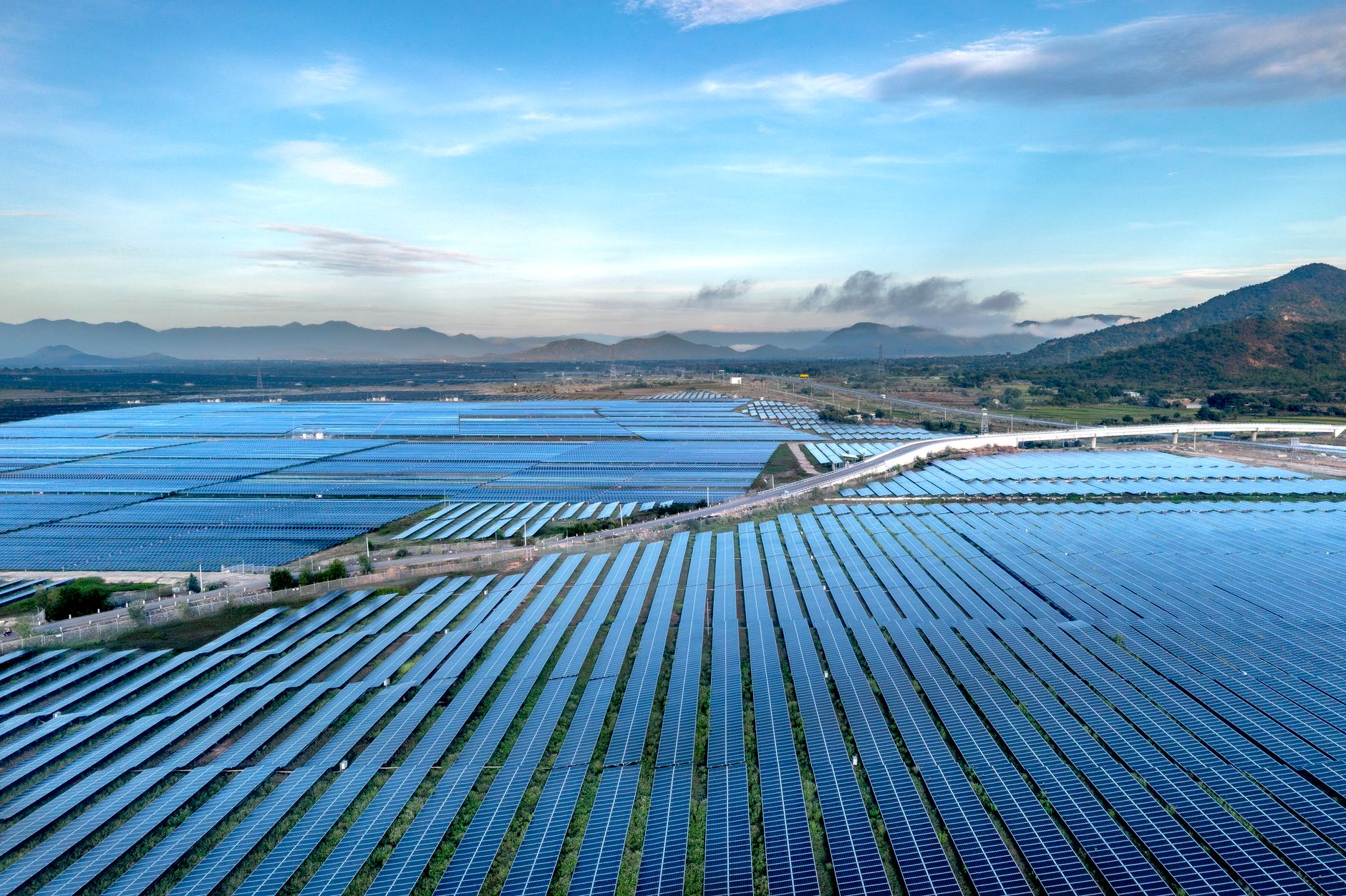
Processing facilities usually have options. Large warehouse and plant roofs can host significant systems if the roof is in good shape and can carry the load. Many Central Valley sites also have open land nearby for a ground-mounted array, and parking areas can support solar carports that shade employee and truck parking.
Each option has different costs, timelines, and permitting. The right choice depends on your roof's age and condition, your available land, and how much of your load you want to cover.
Planning around your operations
A processing plant can't shut down for a solar install during harvest. Construction should be scheduled in the off-season, with electrical tie-ins planned around your production calendar so there's no disruption when it counts.
This is where working with one team from start to finish makes a real difference. OM Energy handles design, permitting, installation, and long-term operations and maintenance ourselves, so there's one point of contact who understands your facility and your schedule, not a string of subcontractors.
Start with your numbers
If you run a food processing facility in the Central Valley, the first step is a look at your actual usage and demand patterns. From there, we can tell you what size system makes sense, whether storage belongs in the plan, and what it would save.
Schedule a consultation with OM Energy, call (951) 228-2710, or email info@omenergy.us.