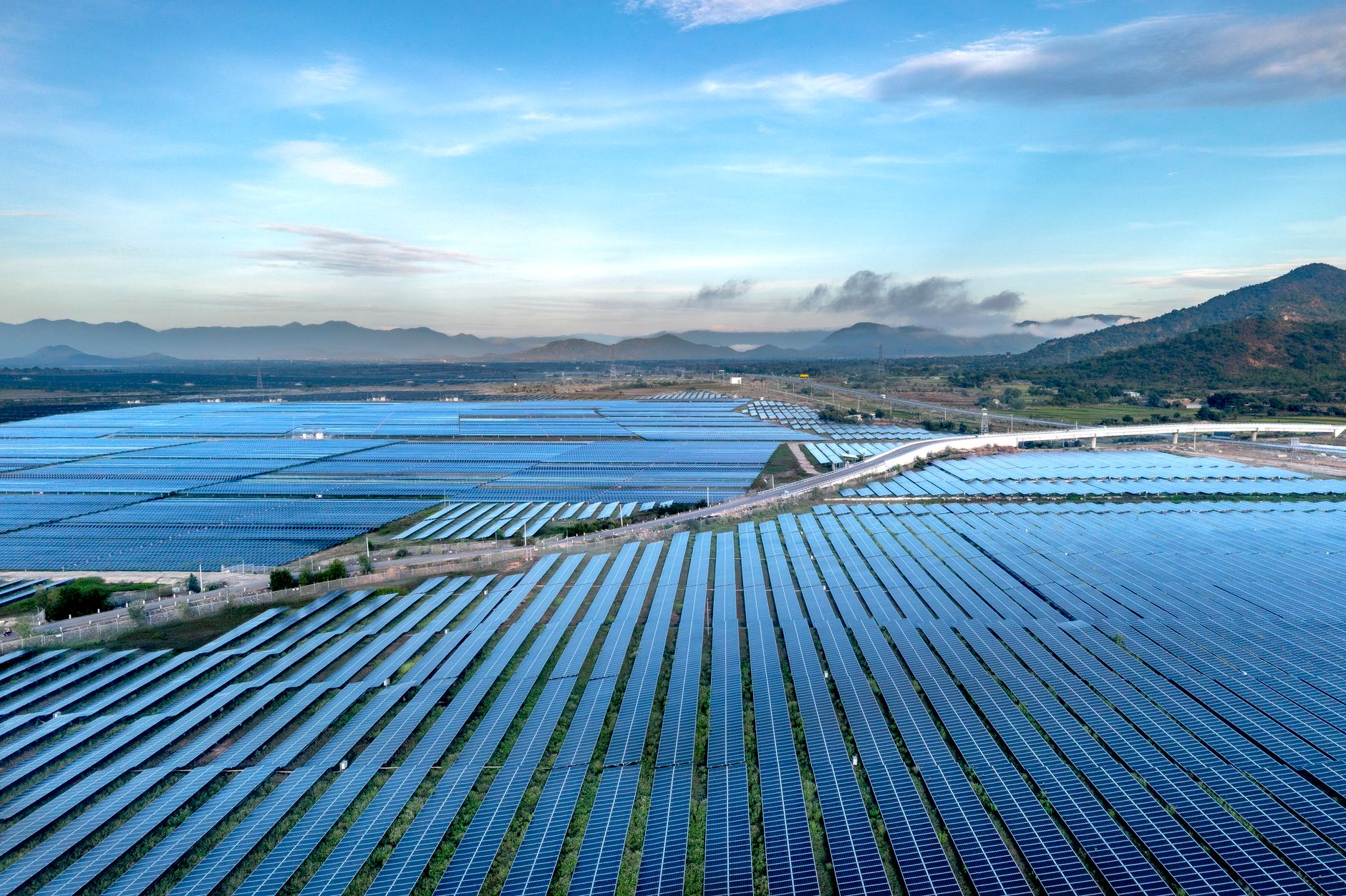
A hotel never really closes. Rooms need heating and cooling all day, laundry runs constantly, kitchens and hot water work around the clock, and the lights in the lobby and parking lot stay on all night.
That steady demand is exactly why solar can make sense for a hotel. It's also why a hotel project needs more planning than a typical commercial install.
Your busiest hours line up with the most expensive power
In California, many commercial rate plans charge the most for electricity in the late afternoon and evening. That's the same window when guests are checking in, turning on the AC, showering, and charging devices.
Solar produces most of its power midday, so a solar-only system doesn't always cover the hours that cost you the most. That's where battery storage comes in. A battery can store midday solar and release it during the evening peak, which helps cut both energy charges and demand charges.
For many hotels, the right answer isn't solar or storage. It's a system sized around your actual load profile, which starts with at least a year of utility data.
Where the panels go
Hotel roofs are often crowded. HVAC units, vents, and equipment take up space, and some roofs are too old to carry a system for its full lifespan. Before designing anything, we look at:
- Roof condition and remaining life, so you're not removing panels a few years from now to re-roof
- Usable roof area once equipment and setbacks are accounted for
- Parking lots, where solar carports can add shade for guest vehicles and generate power without touching the roof
- Electrical service capacity, especially if you're also planning EV charging for guests
Installing without hurting the guest experience
Guests didn't book a stay to hear a construction crew. A hotel install has to be planned around your operations:
- Phasing work so only part of the property is affected at a time
- Scheduling noisy work and crane lifts during low-occupancy windows
- Keeping parking, entrances, and pool areas open and safe
- Coordinating any power shutdowns for the switchover well in advance
This is where having one team handle design, permitting, installation, and maintenance matters. Fewer handoffs means fewer surprises showing up at your front desk.
Resilience is part of the case
Power outages and planned shutoffs are a real risk in parts of California. A solar and storage system designed for backup can keep critical loads running, like lighting, refrigeration, and front-desk systems, so a grid outage doesn't turn into a guest-service crisis.
Timing matters this year
The federal tax credit for commercial solar has a firm deadline. Projects that didn't begin construction by July 4, 2026 need to be placed in service by December 31, 2027 to qualify. For a hotel, where installs need extra planning around operations, starting the conversation this winter matters.
Battery storage has a longer runway under current law, so storage can still make sense even if a solar timeline doesn't work out.
Find out what solar could do for your property
OM Energy designs, permits, installs, and maintains commercial solar, battery storage, and EV charging with one team. We'll review your utility data, your roof and parking areas, and your operating schedule, and give you a straight answer on what makes sense.
Schedule a consultation or call (951) 228-2710.
This article is general information, not tax advice. Confirm tax credit eligibility with your tax advisor.