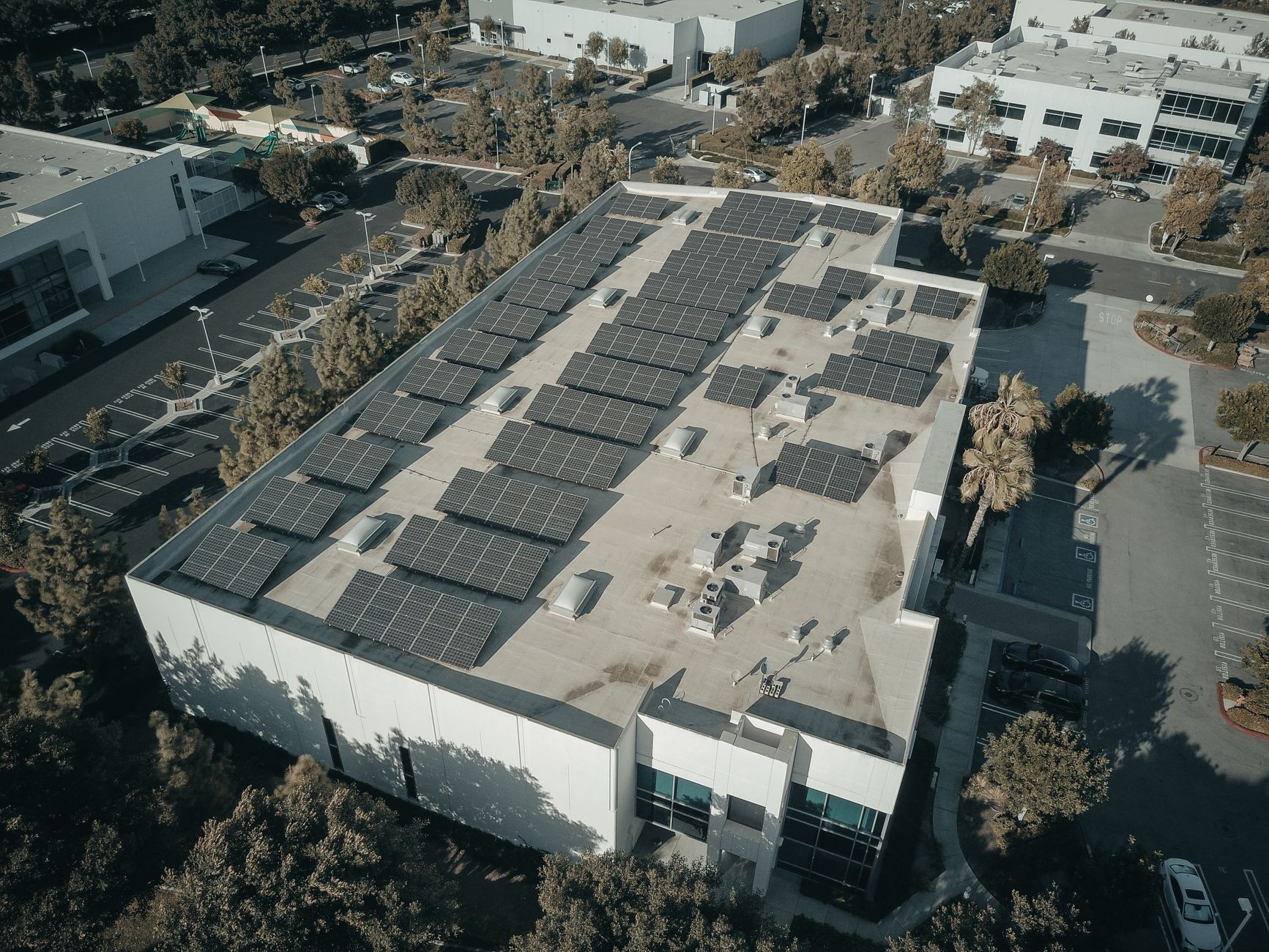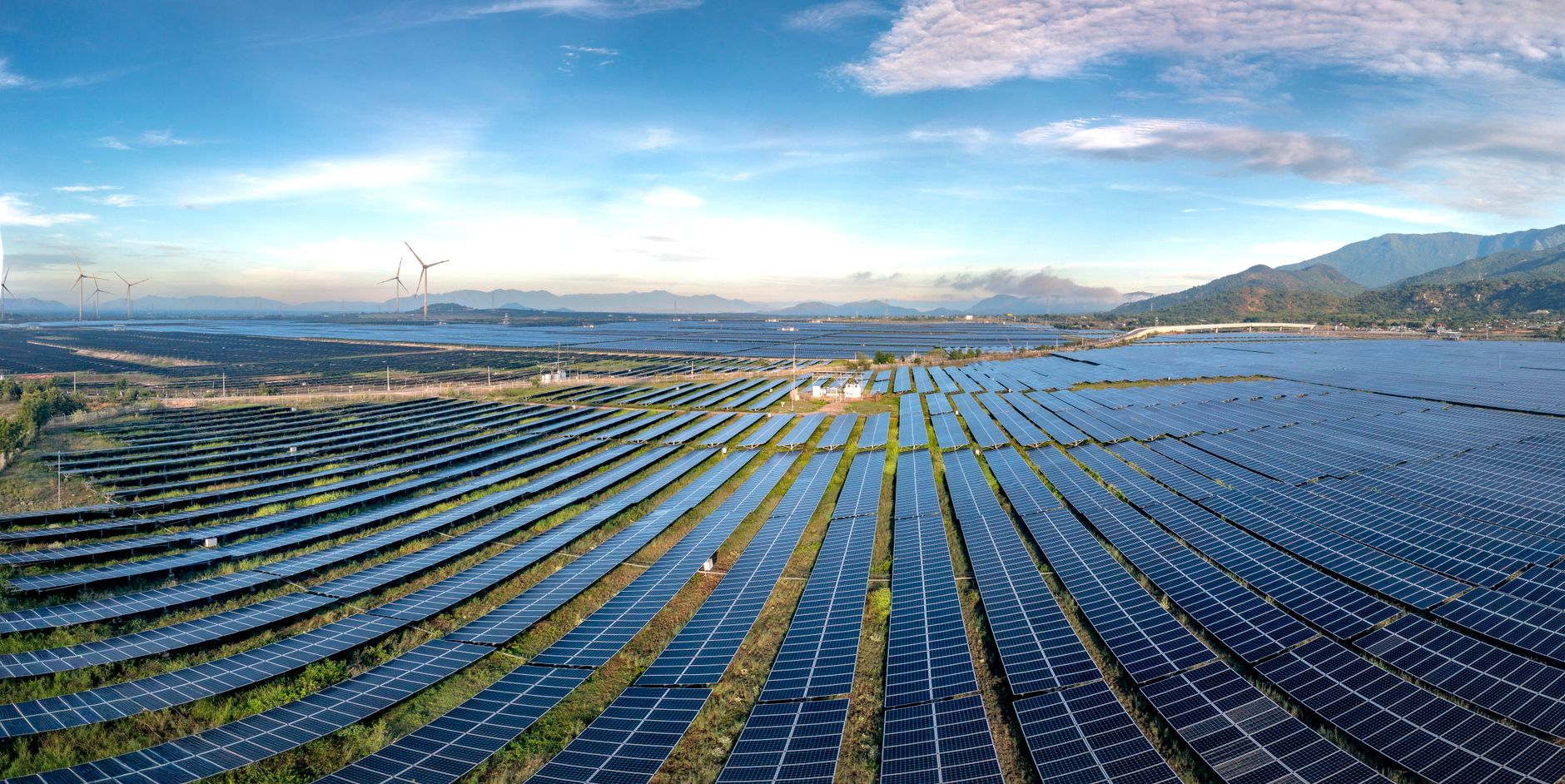
Battery storage is a crucial component of commercial renewable energy systems. Yet it's often misunderstood or misrepresented in the industry. Our position should be one of clarity and expertise, debunking common myths about battery storage with insights from our hands-on owner who has over a decade of industry experience. We want to empower businesses to make informed decisions about their commercial renewable energy future by understanding how battery storage fits into their overall strategy.
Here are five myths about battery storage, debunked by the experts at OM Energy:

*Myth #1: Battery storage is too expensive.
This is a common misconception. While the upfront cost of battery storage can be high, the long-term benefits often outweigh the initial investment. Battery storage allows businesses to store excess energy generated by solar panels or wind turbines and use it during peak demand times when electricity rates are higher. This not only reduces energy costs but also helps avoid power outages caused by grid instability. Over time, these savings add up and can offset the cost of installation.
Myth #2: Battery storage is inefficient.This is simply not true. Modern battery technologies have made significant strides in efficiency over the years. Lithium-ion batteries, for example, are highly efficient and can store energy with minimal loss over time. Efficiency rates vary depending on the specific battery technology used, but most modern systems boast efficiency rates of 90% or higher.
Myth #3: Battery storage is too complicated to maintain.While it's true that battery storage requires some maintenance to ensure optimal performance, this isn't as daunting a task as it might seem. Regular maintenance includes checking battery levels, ensuring proper ventilation, and monitoring temperature and humidity levels. Many modern battery systems come with built-in monitoring tools that make this process easier than ever before.
Myth #4: Battery storage is only for large corporations.This is another common misconception. While it's true that larger corporations may have the resources to invest in more extensive battery storage systems, smaller businesses can also benefit from these technologies. Smaller-scale systems are available and can be tailored to fit the specific needs of a business, no matter its size.
Myth #5: Battery storage is not environmentally friendly.* This is a myth that persists despite evidence to the contrary. Modern battery technologies are designed with sustainability in mind, using materials that are recyclable and minimizing environmental impact during manufacturing and disposal. Additionally, by storing excess renewable energy generated by solar panels or wind turbines, battery storage helps reduce carbon emissions by preventing the need for fossil fuel-generated electricity during peak demand times.