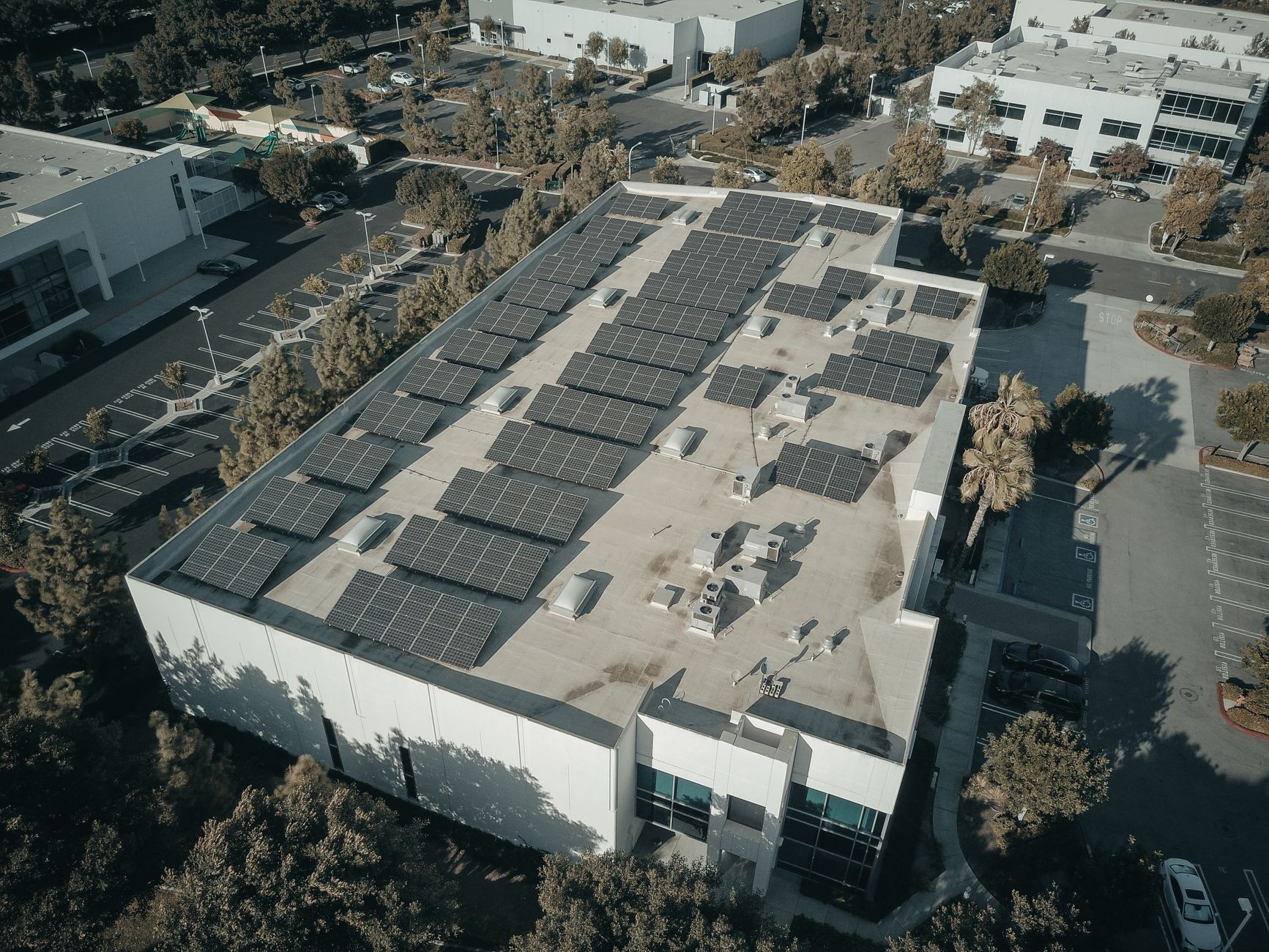
Battery storage is often overshadowed in conversations about renewable energy, but it plays an essential role in maximizing return on investment (ROI) for businesses investing in solar installations. Think of batteries as the unsung heroes of commercial renewable energy - they provide backup power when sunlight wanes or disappears entirely, like during a blackout or at night.

Consider this real-world example from our experience serving clients across various industries. We installed a 500kW solar array with battery storage for a large warehouse in New Jersey. The warehouse had inconsistent power supply due to frequent blackouts caused by storms and other natural disasters. With the battery storage system, they were able to maintain uninterrupted operations even during outages, saving them thousands of dollars in lost productivity each year.
Batteries aren't just a backup plan; they also help manage energy consumption patterns throughout the day. By storing excess solar power generated during peak sunlight hours, businesses can use this stored energy during off-peak hours when electricity rates are higher. This strategy is known as 'time-of-use' (TOU) pricing and can significantly reduce energy costs over time.
At OM Energy, we believe that battery storage should be part of any comprehensive commercial renewable energy solution. It's not just about solar - it's about maximizing ROI for our clients by leveraging every available resource to minimize costs and maximize efficiency. Our hands-on owner with over a decade of industry experience will tell you: if you're investing in renewable energy solutions, don't overlook battery storage. It could make all the difference in your bottom line.
FAQs:1. How do batteries store solar power?
Batteries store excess solar power generated during peak sunlight hours when electricity rates are lowest. This stored energy can then be used during off-peak hours when electricity rates are higher, helping businesses save on their energy bills over time.
2. Can battery storage systems help with blackouts?
Yes, battery storage systems can provide backup power during blackouts or other power outages. They store energy generated from solar panels or the grid and release it when needed, ensuring uninterrupted operations for businesses.
3. How much can battery storage save businesses on their energy bills?
The savings from battery storage depend on various factors such as the size of the solar array, the capacity of the battery storage system, and the specific energy consumption patterns of the business. However, by managing energy consumption patterns throughout the day and taking advantage of time-of-use pricing strategies, businesses can significantly reduce their energy costs over time.