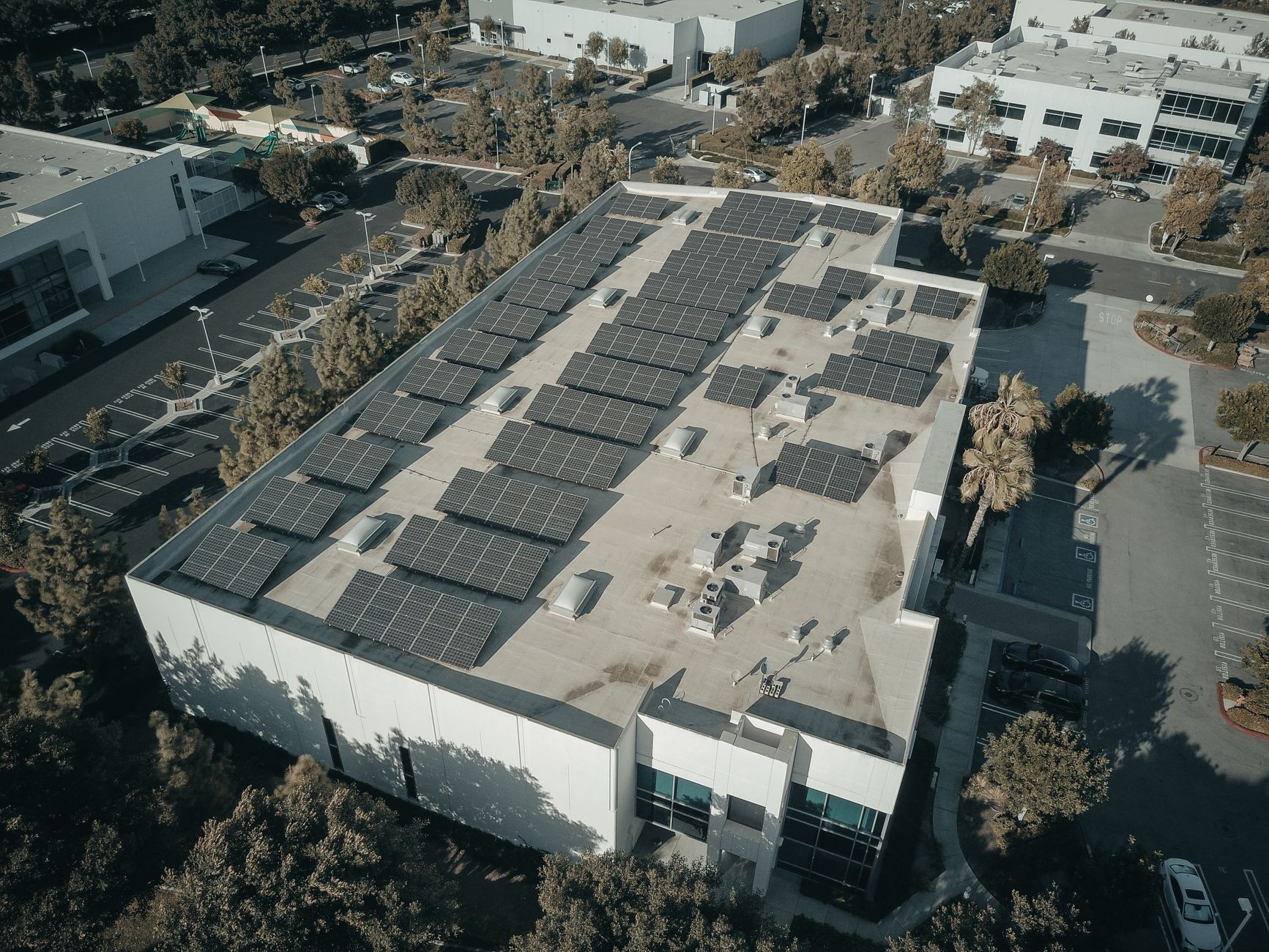

What C&I Solar Means in Practice
Commercial and industrial solar — shortened to C&I in the industry — refers to systems installed on non-residential properties: office buildings, retail centers, warehouses, manufacturing facilities, agricultural operations, and multi-tenant commercial real estate. The category is distinct from residential solar in scale, complexity, and the parties involved in decisions. A property owner evaluating a rooftop array for a 200,000 square foot distribution center is working through a different calculus than a homeowner, and the installer needs a corresponding level of experience to execute it well.
Southern California's Rate Environment
Southern California Edison commercial accounts face a combination of energy charges and demand charges that can make electricity one of the more significant operating expenses for high-consumption facilities. Solar directly offsets energy charges during production hours. Battery storage can address demand charges by reducing the peak draw a facility presents to the grid. Understanding which component of your bill is largest determines which technologies deliver the best return and in what combination.


The Regulatory Layer
California's NEM 3.0 tariff, which governs how solar exports are compensated, changes the payback math for systems designed primarily to export surplus power. For most commercial facilities that consume what they produce — or most of it — NEM 3.0 has less impact than it does for undersized residential systems. Still, the transition means that system sizing decisions benefit from a careful load analysis rather than a rule-of-thumb estimate.
What Separates a Quality C&I Installer
- Experience with the specific utility — SCE's interconnection process has its own documentation requirements and timelines.
- In-house engineering, not outsourced plan sets — reduces revision cycles during plan check.
- A clear O&M offering — C&I systems are business-critical assets; monitoring and maintenance should not be an afterthought.
- References from similar building types in the same utility territory.
OM Energy focuses exclusively on C&I clients in Southern California's SCE territory. If you are evaluating commercial solar for the first time or comparing proposals, the list above is a reasonable starting point for separating substantive differences from marketing language.