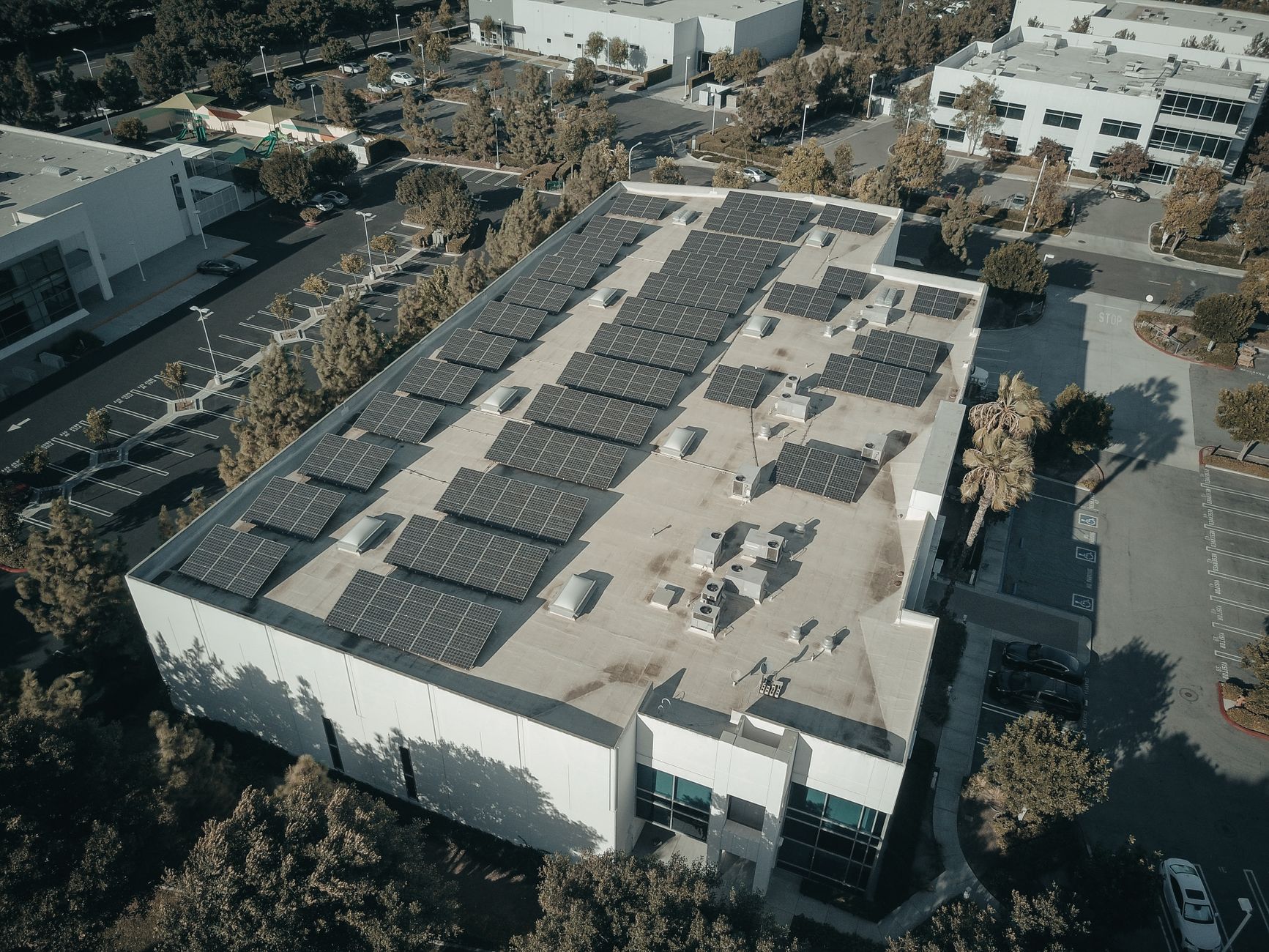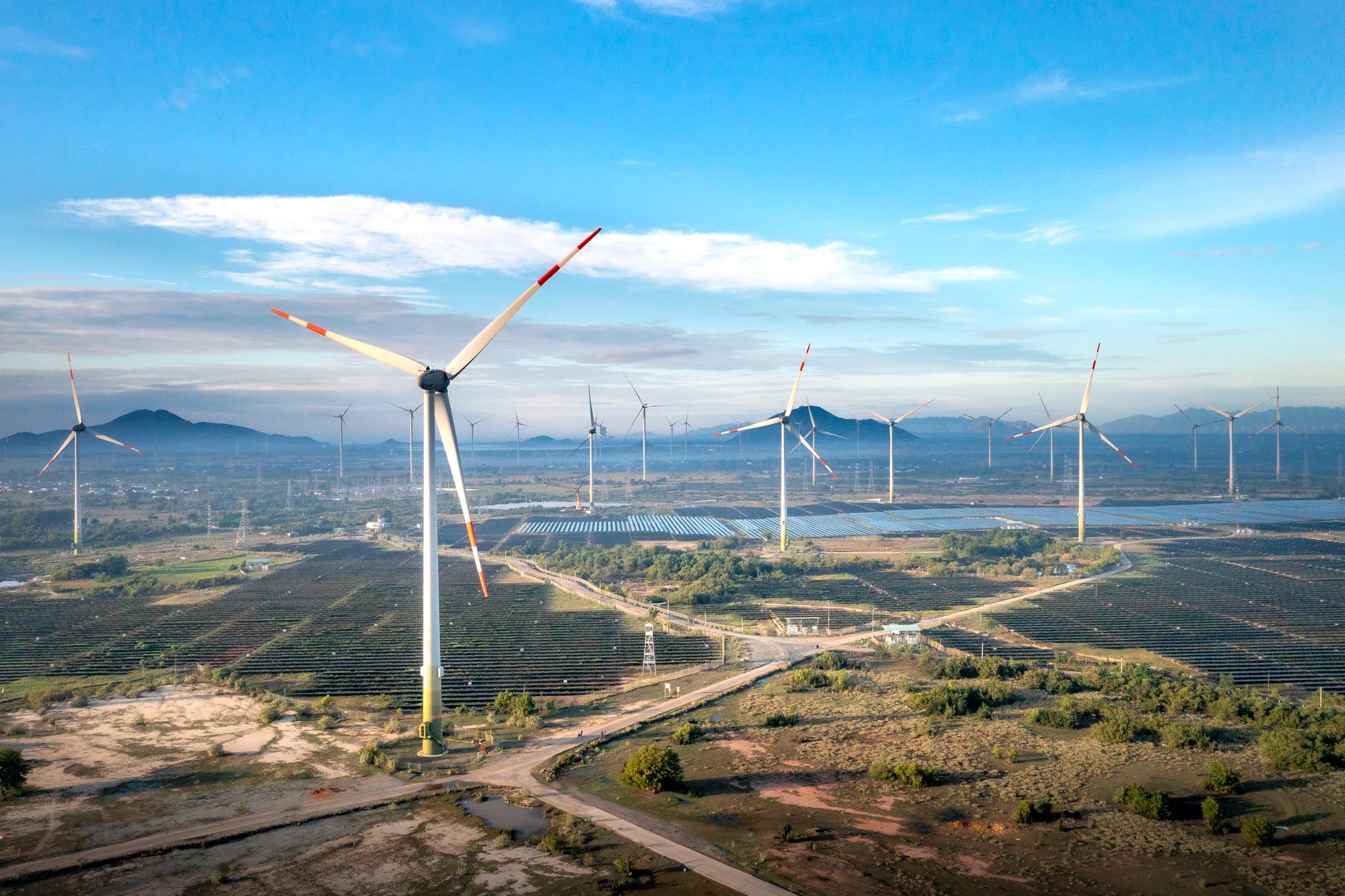
If you've been thinking about commercial solar for your business in California, the calendar just became the most important part of the decision.
Under the federal law passed in July 2025, the federal tax credit for commercial solar is ending on a set schedule. Projects that didn't begin construction by July 4, 2026 now have to be placed in service, meaning built, connected, and operating, by December 31, 2027 to qualify. After that, new solar projects no longer get the credit.

December 2027 sounds like a long way off. For a commercial project, it isn't.
Why "15 months away" is closer than it looks
A commercial solar project isn't a quick install. Between the first conversation and a working system, there are several steps, and each one takes time:
- Site assessment and design, including a look at your roof or land and at least a year of energy usage
- Utility interconnection, where your utility reviews and approves connecting the system to the grid. For larger systems this is often the longest wait in the whole process
- Permitting with your city or county
- Equipment procurement, where lead times on panels, inverters, and electrical gear can stretch
- Construction and final inspection, then permission from the utility to turn the system on
Add those together and most commercial projects need well over a year. That's why owners in the Central Valley and across California who want the credit realistically need to decide this winter, not next summer.
What the credit is worth
For many commercial projects, the federal credit covers a significant share of the system's cost, often 30% or more depending on the project and whether it qualifies for bonus amounts. On a large system, that can be the difference between a project that pencils out and one that doesn't.
Missing the deadline by a few weeks means losing all of it, not part of it. That's the risk worth planning around.
Battery storage has more time
The deadline above applies to solar. Under current law, the federal credit for battery storage remains available for years longer. That gives owners two paths:
- If your timeline works: move forward with solar plus storage now and capture both credits.
- If it's too late for solar: battery storage on its own can still cut demand charges and provide backup power, and it can still qualify for the credit.
Either way, the first step is the same: find out where your project would land on the calendar.
What slows projects down, and how to avoid it
The projects that miss deadlines usually lose time in the same places: waiting on utility interconnection, redesigning after a late roof inspection, or handing off between separate design, install, and electrical contractors.
OM Energy handles design, permitting, installation, and long-term operations and maintenance with one team. That means fewer handoffs and one point of contact watching the schedule from the first site visit to the day the system turns on.
Find out if your project can still make it
We'll look at your site, your usage, and your utility, and tell you honestly whether a solar project can be operating before the end of 2027, what it would save you, and whether storage makes sense either way.
Schedule a consultation with OM Energy, call (951) 228-2710, or email info@omenergy.us.
This article is general information, not tax advice. Tax credit eligibility depends on your specific project and circumstances, so confirm the details with your tax advisor.