The Core Change NEM 3.0 Made
California's Net Energy Metering 3.0 tariff, which the California Public Utilities Commission adopted and which took effect for new applicants beginning in 2023, reduced the credit rate for energy that solar systems export to the grid. Under the prior NEM 2.0 structure, excess solar production was compensated at close to retail electricity rates. Under NEM 3.0, export credits are based on a time-varying avoided-cost rate that is generally lower than retail and varies by hour of day and season.
Why This Matters Differently for Commercial vs. Residential
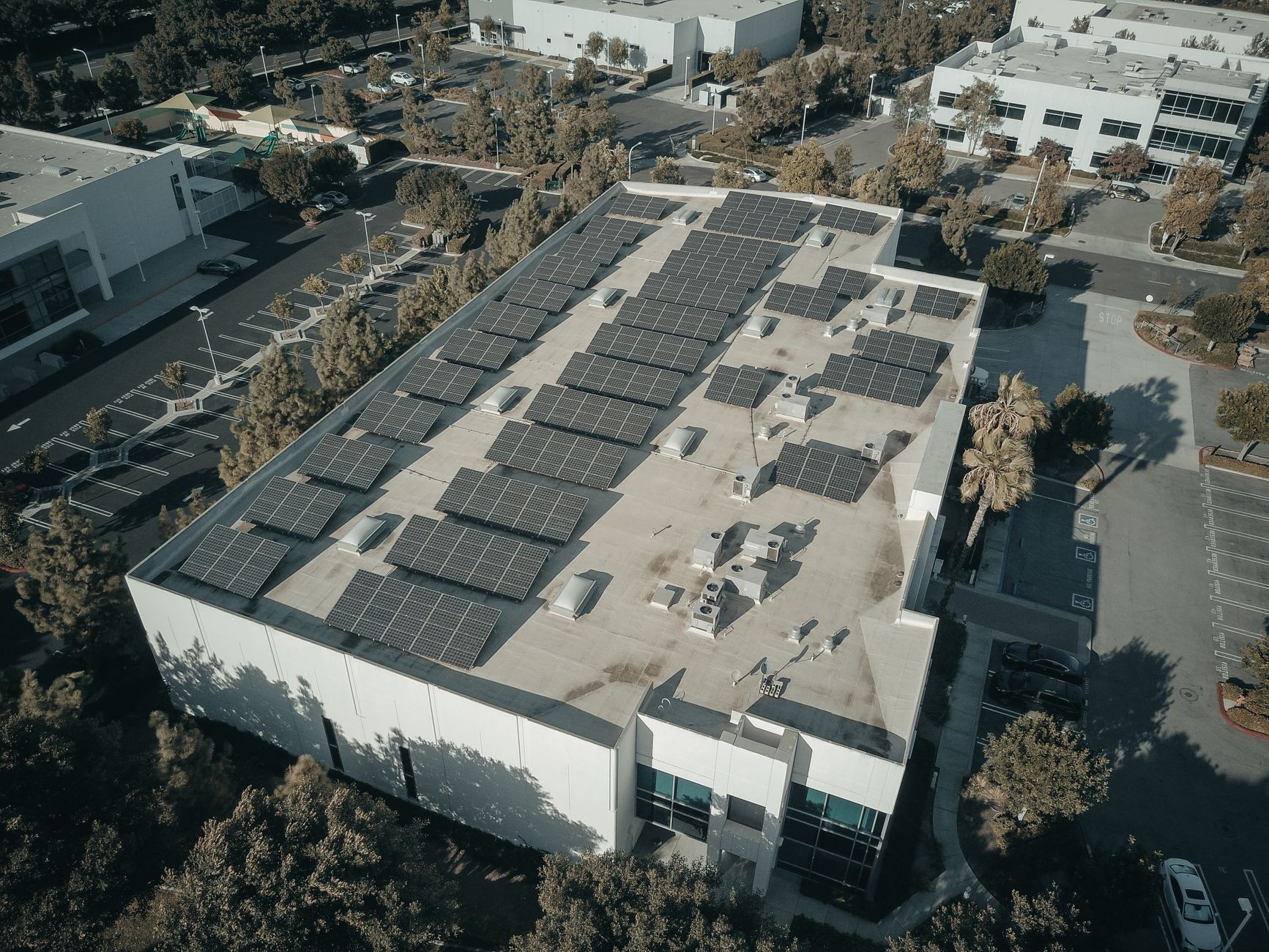
The impact of NEM 3.0 is most pronounced for systems that were sized to export a large share of their production — a design approach that was common under NEM 2.0 because high export credits made it financially attractive. For commercial facilities that consume most or all of what their system produces, the export credit rate matters less. A warehouse running refrigeration, lighting, and HVAC equipment during daylight hours is likely to self-consume a high percentage of its solar output. That self-consumption is valued at the full retail rate that the facility avoids paying, not at the lower export credit rate.


What NEM 3.0 Changes About System Design
The practical implication is that commercial solar systems should now be sized closer to the facility's actual load rather than maximized for roof coverage. Accurate load analysis before design begins is more important than it was under the previous tariff. Battery storage, which allows facilities to time-shift solar production from midday into the higher-rate evening hours, became more financially interesting under NEM 3.0 because it increases self-consumption and reduces the share of production that receives lower export credits.
Steps Commercial Buyers Should Take
- Request a load analysis from any installer you are evaluating — not a simplified estimate, but a review of actual interval data if available.
- Ask how the proposal accounts for your facility's specific hours of operation and load shape.
- Evaluate battery storage alongside solar rather than as a separate future decision.
- Confirm the proposed system is designed under the current NEM 3.0 tariff, not a previous structure.
OM Energy designs commercial solar systems for NEM 3.0 from the start. Every proposal is grounded in the facility's actual load profile, not generic assumptions, so that the financial projections reflect how the system will actually perform.