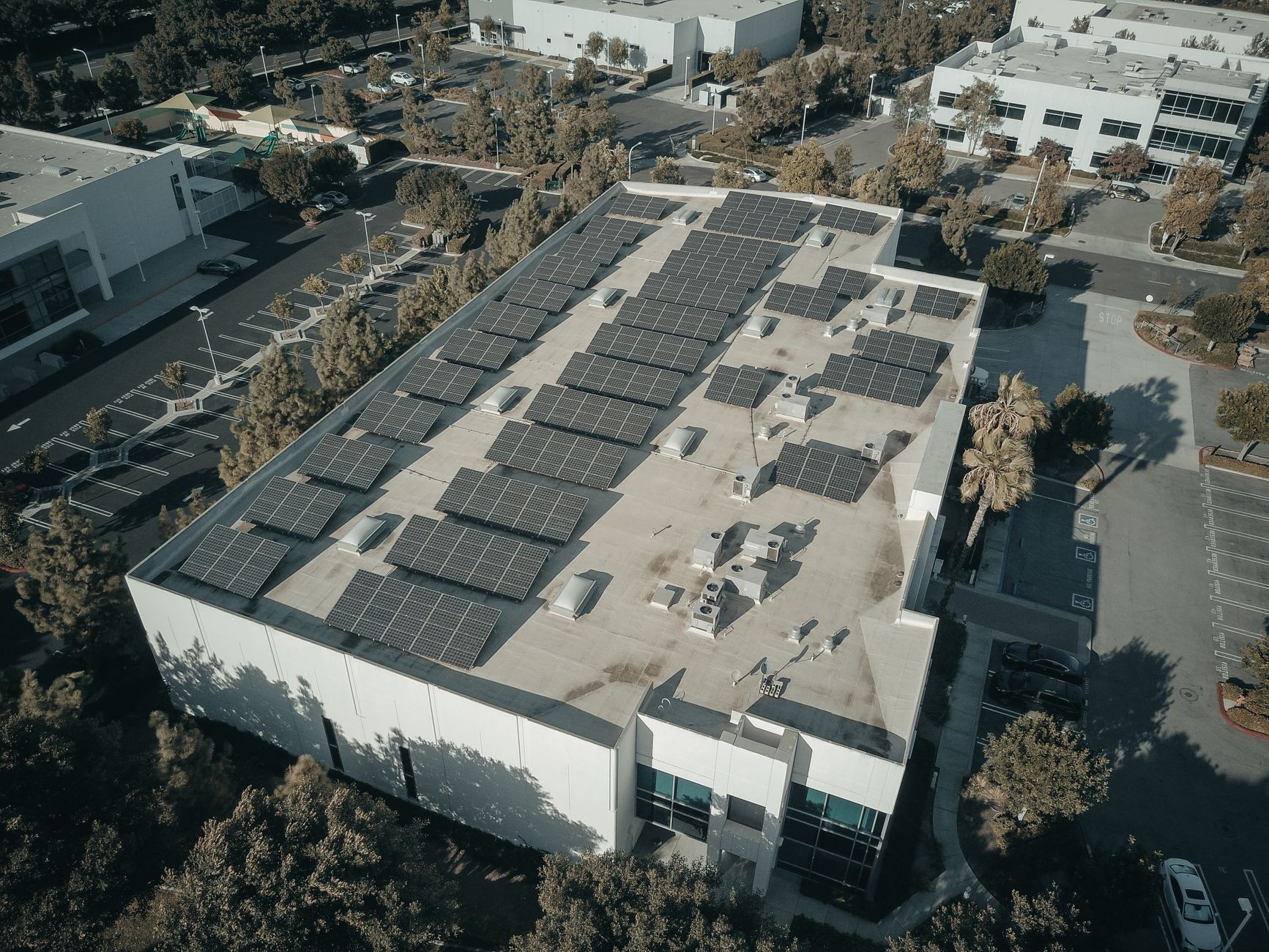
A commercial solar array is a 25-to-30-year asset, but the contract that keeps it running is often signed in an afternoon with barely a glance. That's a mistake. Your operations and maintenance (O&M) agreement is what stands between the performance you were promised at purchase and the slow, invisible decline that erodes returns when a system is left unattended.
Panels don't fail dramatically. They underperform quietly — a tripped inverter here, soiled modules there, a string that stopped reporting months ago — and unless someone is watching and accountable, you keep paying for energy you should have been generating. The O&M contract decides whether anyone is actually watching. Here's what to scrutinize before you sign.
Preventive vs. corrective vs. monitoring
Good agreements spell out three distinct kinds of service, and you want clarity on all three.
Preventive maintenance is the scheduled work: inspections, panel cleaning, connection checks, inverter servicing. Ask how many visits per year, what each visit covers, and whether it's a fixed schedule or vaguely "as needed."
Corrective maintenance is what happens when something breaks. This is where contracts get slippery — some include repairs, others treat every fix as a separate billable event. Know which parts and labor are covered and which trigger a new invoice.
Monitoring is the always-on layer: software watching production in real time and flagging problems. Without it, a fault can sit undetected for months. Confirm the system is monitored, who watches the alerts, and what happens when one fires.
Response times and who actually shows up
A contract that promises maintenance but not timely maintenance isn't worth much. Look for defined response times — how fast someone responds to a fault, and how fast they're on-site when needed. A commitment measured in days means something; "we'll get to it" doesn't.
Ask a blunt question: who physically performs the work? Some providers subcontract field service to whoever's cheapest that week. You want to know the people servicing a six-figure asset are qualified and accountable, not a rotating cast.
Performance guarantees and how they're measured
The strongest agreements tie service to results, not just activity. A production or performance guarantee commits the provider to a level of output, with remedies if the system underperforms for reasons within their control.
If a guarantee is offered, read exactly how performance is measured, what's excluded, and what the remedy actually is. A guarantee with so many carve-outs that nothing ever qualifies is marketing, not protection. A clear one aligns your provider's incentives with your returns.
Reporting and transparency
You should never have to wonder how your system is doing. Look for regular performance reporting in plain language — production versus expectation, issues found and resolved, work performed. Transparent reporting is a sign of a provider confident in their work; vague or absent reporting is a warning.
Term, exit, and what happens at handoff
Check the contract length, renewal terms, and how you exit if service disappoints. And pay special attention to the handoff from installation to O&M. When the company that installed your system is not the one maintaining it, critical knowledge about how your specific array was built gets lost, and accountability blurs at exactly the seam where problems hide.
The case for keeping it under one roof
This last point is the heart of it. Fragmented ownership is where solar investments quietly fail: the installer is gone, the O&M provider didn't build the system and doesn't fully understand it, the monitoring is someone else's software, and when production drops, no one owns the problem.
At OM Energy, design, permitting, installation, and long-term O&M all live with one accountable team, with no handoffs. The people maintaining your system are the people who engineered and built it — they know its design intent, they hold the performance responsibility, and they're still there in year ten. That continuity is worth more than any single clause in a maintenance contract.
What to do next
If you already own a system, dig out your current O&M agreement and check it against the points above — you may find gaps you didn't know you had. If you're evaluating a new installation, treat the O&M terms as part of the buying decision, not an afterthought bolted on at signing.
A solar array only delivers the returns it was sold on if someone keeps it healthy for decades. The contract that guarantees that is one of the most important documents you'll sign — so read it like it is.
Not sure your system is being properly cared for? OM Energy can review your current O&M coverage or build a maintenance plan backed by the same team that designs and installs — one accountable partner for the life of the system.