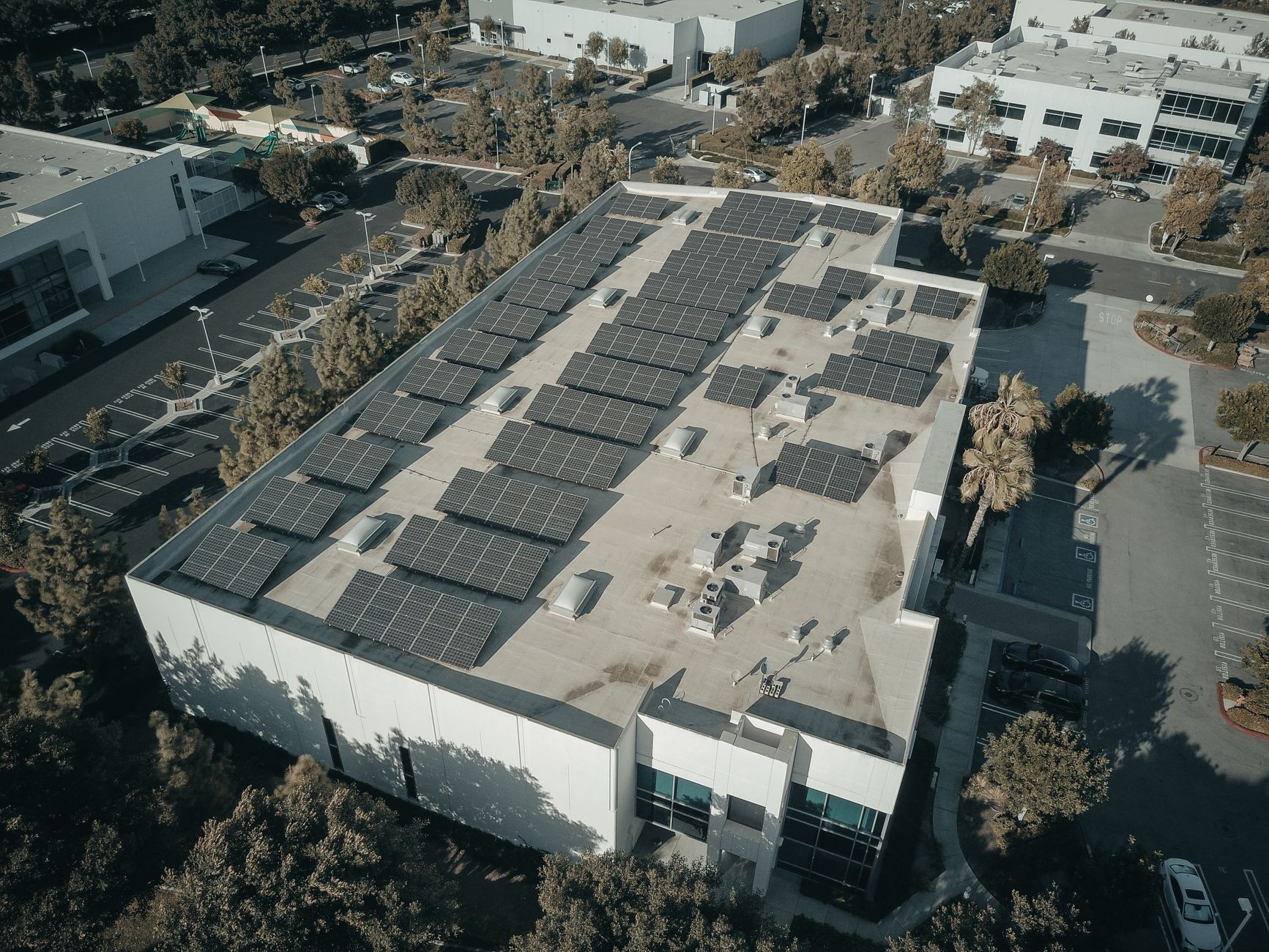
The Self-Generation Incentive Program, or SGIP, is one of the few incentives that pays you directly for installing battery storage in California. For commercial facilities in Southern California Edison territory, it can offset a meaningful share of a storage project's cost, but the rules confuse most owners and the funding moves in tiers that decline over time.
Here is a practical walkthrough of how SGIP works for commercial battery storage, who qualifies, and how to avoid leaving money on the table.

What SGIP Actually Pays For
SGIP provides rebates for energy storage systems installed behind your meter. It is administered through the major utilities, including Southern California Edison, under oversight from the California Public Utilities Commission. The incentive is calculated on the storage capacity of your battery, measured in kilowatt-hours, and paid at a rate set by the current funding tier.
The program is structured in steps. As each funding bucket fills, the incentive rate for the next bucket drops. Practically, that means the rebate available today is usually larger than the one available six months from now. Timing matters, and waiting often costs you money even if nothing else about the project changes.
Incentive Tiers and the Equity Categories
SGIP separates applicants into general market and equity categories. Standard commercial projects fall into the general market tier. Higher incentive levels are reserved for equity and resiliency cases, such as facilities in certain disadvantaged communities or in high fire-threat districts that need backup power during public safety power shutoffs.
- General market: the standard commercial rate per kilowatt-hour
- Equity: elevated rates for qualifying communities and customers
- Equity resiliency: the highest rates, tied to fire risk and outage exposure
Some Inland Empire and Riverside County locations sit in high fire-threat zones, so it is worth checking whether a facility qualifies for a higher tier before assuming the general rate. The difference between tiers can be substantial, and many owners never check.
Eligibility Basics
To qualify, a commercial storage system generally must meet these conditions:
- Be installed at a facility served by a participating utility, including Southern California Edison
- Meet warranty and performance requirements for the battery
- Commit to operating the system in a way that supports grid goals, including round-trip efficiency and discharge expectations
- Be installed by a contractor who follows program rules and documentation requirements
Storage paired with solar is common and eligible, though the rebate is based on the battery, not the solar array. A new battery added to an existing solar system can still qualify, which is useful for facilities that went solar years ago and want to capture value lost to net billing.
The Application Process, Step by Step
1. Reserve the incentive
SGIP works on a reservation model. You apply and reserve funding at the current tier before the system is energized. This locks your rate even as later tiers decline, which is why early application protects value. The reservation effectively holds your place in line at today's rate.
2. Install the system
The battery is installed and interconnected following the same permitting and SCE interconnection steps as any storage project. The reservation gives you a window in which to complete the work, so the install needs to stay on schedule to keep the locked rate.
3. Submit proof and claim payment
After installation and inspection, you submit final documentation, including proof of installation and performance data, to receive the incentive. The rebate is paid after this final step, so accurate and timely paperwork directly affects when you get the money.
Each step carries deadlines. Missing one can forfeit the reservation, which is a common and avoidable loss. A team that handles the application alongside design and installation keeps these dates aligned and prevents the most expensive SGIP mistake of all, which is losing a reservation to a missed deadline.
How SGIP Stacks With Other Incentives
SGIP can be combined with the federal Investment Tax Credit and depreciation benefits, though tax treatment of the rebate itself should be reviewed with your accountant, since incentives can affect the basis used for the federal credit. The combined effect of SGIP, the federal credit, and demand-charge savings is what makes commercial storage pencil out in Southern California, even after the shift to net billing reduced solar export value.
Looked at together, the rebate lowers the upfront cost, the tax benefits lower the net cost further, and the ongoing demand-charge and time-of-use savings deliver the return. SGIP is the piece that improves the day-one math.
Common Mistakes to Avoid
- Waiting until after install to apply, after the rate has stepped down
- Assuming the general market rate when a site qualifies for a resiliency tier
- Underdocumenting the project and delaying payment
- Sizing the battery without modeling demand charges and time-of-use savings
- Treating the application as paperwork at the end rather than planning it from the start
SGIP rewards owners who plan the incentive into the project from the beginning. Treat it as a design input, not an afterthought, and the program can take a real bite out of the cost of commercial storage.
Sources
- California Public Utilities Commission, Self-Generation Incentive Program
- Southern California Edison, SGIP program information
- California Public Utilities Commission, high fire-threat district maps
- U.S. Internal Revenue Service, energy credit guidance